
The Sticky Science: Why Drinking Gallons of Cranberry Juice for UTIs is a Myth (And What Actually Works)
We have all been there. You feel that telltale, ominous sting while using the restroom, and your mind immediately enters emergency mode. You sprint to the grocery store, pass right by the delicious sodas, and grab the biggest, most bitter jug of 100% pure cranberry juice you can find.
You sit at your kitchen counter, chugging the liquid tartness while making terrible faces, desperately hoping it will magically cure the internal fire.
It is the age-old wellness wisdom passed down through generations: Got a UTI? Drink cranberry juice.
But if you have ever tried this method during a stubborn, recurring urinary tract infection, you’ve probably noticed a frustrating trend—it rarely does the trick on its own. So, what gives? Did science lie to us, or are we just drinking it wrong?
Let’s unpack the actual clinical research behind cranberries, how they work at a microscopic level, and why your standard glass of juice is setting you up for heartbreak.
The Villain of the Story: Meet E. coli
To understand why cranberries are famous, we have to look at the microscopic culprit behind roughly 80% to 90% of all uncomplicated UTIs: a sneaky little bacterium called Escherichia coli (E. coli).
Now, E. coli isn’t just floating around casually in your bladder. It has a terrifyingly efficient superpower. Its body is covered in tiny, hair-like projections called pili (think of them like microscopic, biological Velcro or grappling hooks). When E. coli gets into your urinary tract, it uses these grappling hooks to latch onto the cells lining your bladder wall. Once it hooks in, it anchors itself down, multiplies, and starts causing absolute chaos.
Standard urination isn’t strong enough to flush these anchored bacteria out. They are locked into place.
Enter the Cranberry: The Science of “Non-Stick” Skincare
This is where the actual science of cranberries comes into play. For decades, scientists thought cranberry juice worked because its high acidity killed off bacteria by changing the pH of your urine.
The Scientific Plot Twist: Clinical trials eventually proved that cranberry juice doesn’t change your urine’s acidity nearly enough to kill bacteria.
Instead, researchers discovered that cranberries contain special, highly potent antioxidants called A-type proanthocyanidins—or PACs for short.
PACs have a very specific job description: they act as a biological shield. When you consume enough PACs, they circulate into your bladder and physically coat the grappling hooks on the E. coli bacteria.
Because the bacteria’s hooks are completely covered in cranberry compounds, they can no longer grip onto your bladder wall. They lose their traction, slip right off the cells, and get easily flushed down the drain the next time you go to the bathroom. Essentially, cranberries don’t kill the bad guys—they just turn your bladder into a microscopic slip-and-slide.
The Great Juice Bottleneck: Why the Jug Fails
If the science is so rock-solid, why isn’t chugging juice from the carton clearing up your symptoms? There are three massive roadblocks standing between your grocery cart and actual relief:
1. The Sugar Bomb Effect
Most bottles labeled “Cranberry Juice Cocktail” are heavily loaded with added sugars, corn syrup, and water to mask the naturally bitter taste. Bacteria love sugar. By flooding your system with high-fructose corn syrup, you might actually be feeding the problem rather than fixing it.
2. The Dosing Dilemma
To get enough active PACs to actually create that “non-stick” effect in your bladder, clinical studies suggest you would need to drink literal gallons of pure, unsweetened cranberry juice every single day. If you’ve ever tasted 100% pure, unsweetened cranberry juice, you know it tastes like liquid lightning and sour regrets. Drinking that much would cause a massive stomach ache long before it helped your bladder.
3. Prevention vs. Treatment
This is the biggest takeaway from the medical literature: Cranberries are a shield, not a sword. Once E. colihas already anchored deep into your tissue and caused a full-blown infection, slipping PACs into the mix isn’t enough to evict them. You need proper medical care for an active infection. Cranberries are strictly designed for prevention—keeping the bad guys from setting up camp in the first place.
Upgrading the Formula: What to Look For Instead
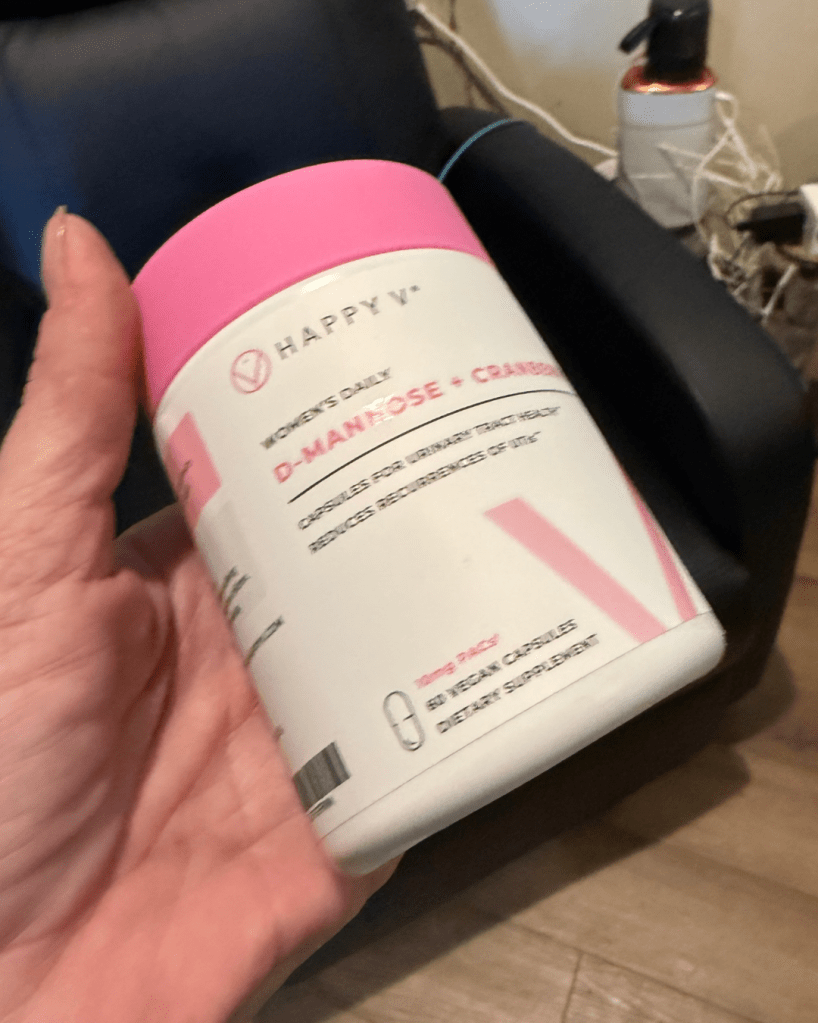
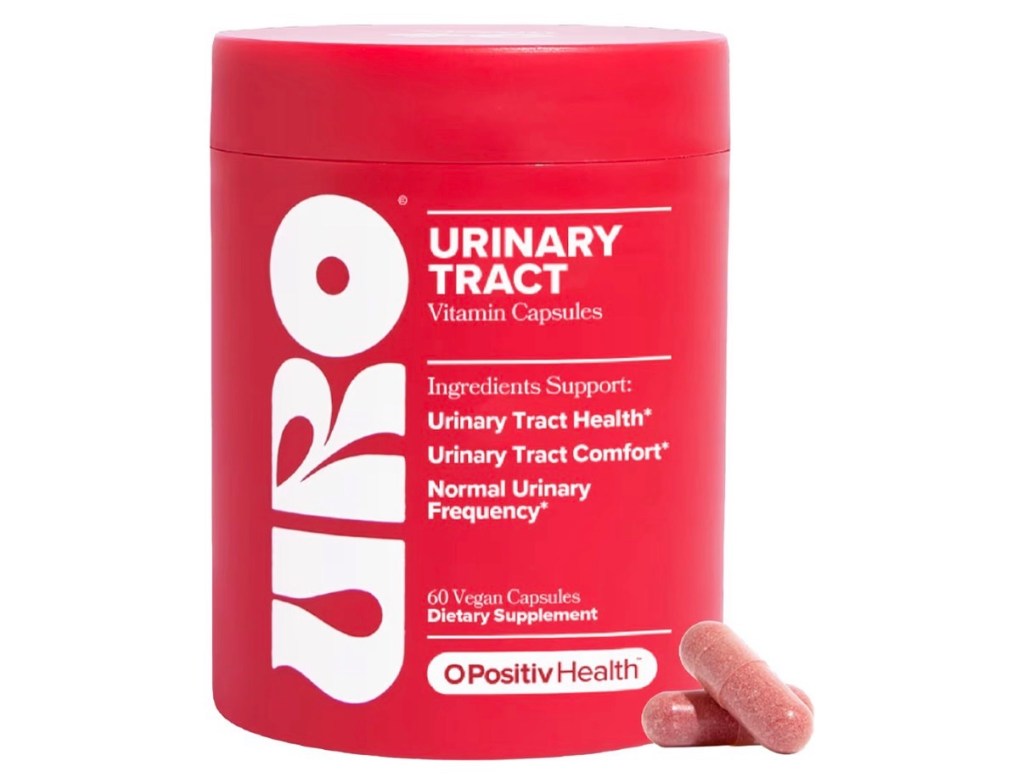
If you are dealing with recurring issues and want to use this science properly, it’s time to move past the beverage aisle. Modern clinical wellness has figured out how to extract the good stuff without the liquid volume.Look for on LabelsWhy It MattersConcentrated ExtractsDelivers the therapeutic dose of active PACs in a single pill, completely bypassing the sugar and fluid struggles.D-Mannose SynergyA natural, clean sugar powder that binds directly to E. coli from a different angle, doubling the flushing power.Clinical FormulationsThird-party tested capsules that guarantee the quality and potency of the active ingredients.
The next time you feel like keeping your system clear, leave the heavy juice jugs at the store. Rely on the concentrated active compounds, keep your bladder slippery, and let science do the heavy lifting while you enjoy a regular glass of water!
If you want learn more about my favorites click the pics below for my affiliate links.
 lifewithjennilee.com
Leave a comment