We’ve all been there. You hit a certain birthday—whether it’s 40, 45, or 50—and suddenly your body starts tracking its own weather forecast. Your knees ache when it rains, your lower back complains if you sit too long, and waking up without a tiny bit of systemic stiffness feels like a major victory.
When searching for a natural fix, turmeric is usually the first recommendation you encounter. It is celebrated across the internet as a holy grail botanical for joint health and inflammation. But if you’ve been dutifully tossing a standard grocery-store turmeric capsule into your morning vitamin organizer or mixing golden milk lattes, you might be wondering why you aren’t feeling a massive difference.
The truth is, standard turmeric shortcuts don’t work for midlife wellness. To make this vibrant root work at a cellular level, you have to understand the biological science behind how it absorbs.
The Biological Bottleneck: Curcumin vs. Raw Powder
To get real relief from midlife inflammation, you don’t actually need more turmeric—you need curcumin.
Curcumin is the primary bioactive compound (polyphenol) hidden inside the turmeric root. It is the specific molecular workhorse responsible for lowering inflammatory markers (like C-reactive protein) and calming irritated joint pathways. However, raw turmeric root only contains about 2% to 6% curcuminoids by weight.
Even worse, curcumin on its own has notoriously terrible bioavailability—meaning it is highly insoluble in water, metabolized rapidly by your liver, and flushed out of your system before it ever reaches your hard-working joints. If you swallow a plain turmeric capsule, only a microscopic fraction of that active compound makes it into your bloodstream.
The Ultimate Midlife Formula Trio
To bypass this digestive roadblock and actually soothe aging joints, a supplement needs to shift from a simple spice powder to a targeted, highly absorbing formula. Three clinical elements make all the difference:
1. High-Dose Standardized Curcuminoids
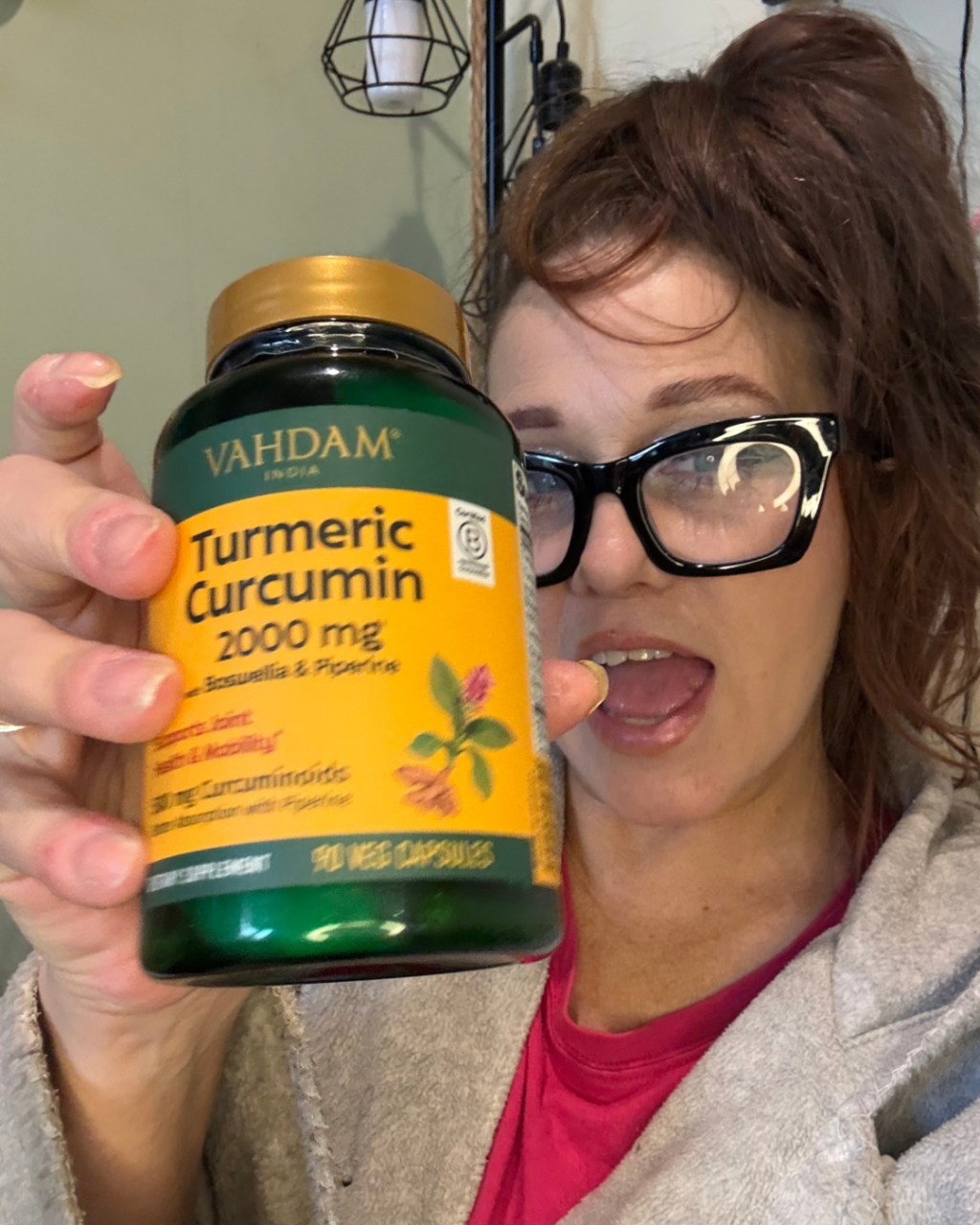
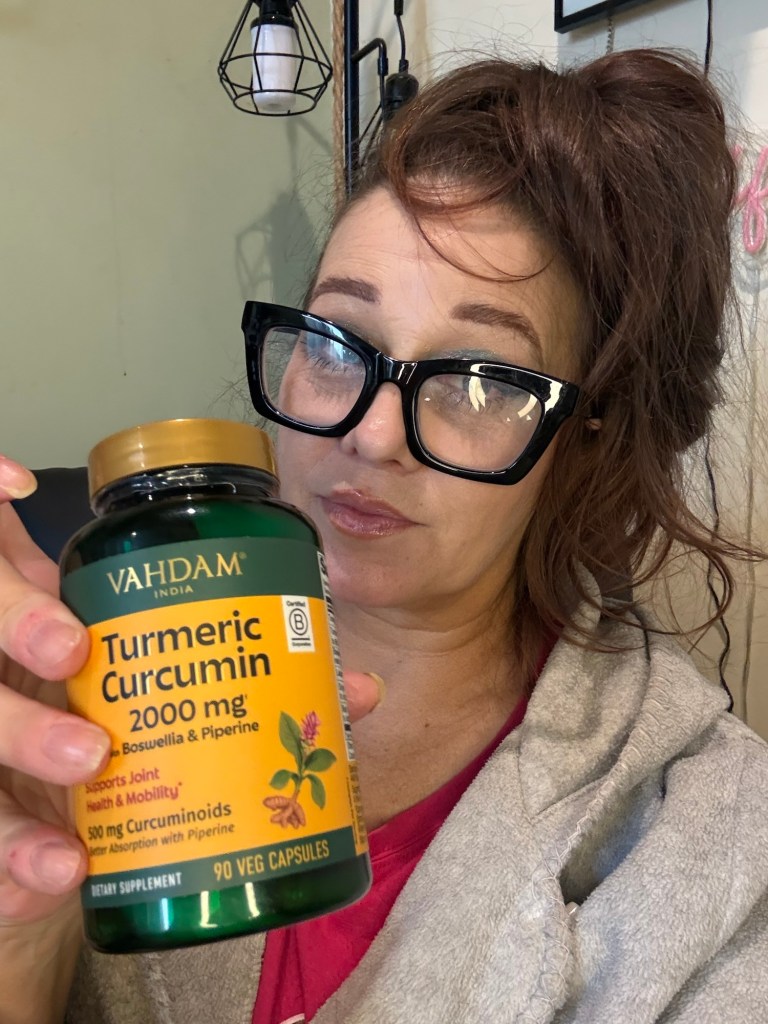
Instead of settling for raw powder, look for a standardized extract that guarantees a heavy-hitting dose (such as 500mg of pure, active curcuminoids). This ensures you are getting the concentrated therapeutic strength required to mimic the successful outcomes seen in human clinical trials.
2. Piperine (The 2,000% Bioavailability Accelerator)
This is the ultimate secret weapon. Piperine—the natural alkaloid extracted from black pepper—temporarily slows down the liver and intestinal enzymes that break down curcumin. Clinical studies have shown that pairing piperine with curcumin boosts absorption by a whopping 2,000%. It acts like an VIP pass, keeping the active ingredients circulating in your body longer so they can actually do their job.
3. Boswellia Serrata (Frankincense)
While curcumin works beautifully to block long-term inflammatory pathways (like NF-κB), adding Boswellia extract creates a powerful synergistic effect. Boswellia acts on complementary cellular pathways, delivering fast-acting support for joint mobility, flexibility, and physical comfort.
Quick Reference: What to Look For on Your Labels
Avoid This Choose This Instead “Raw Turmeric Powder” or generic grocery store capsules.”Standardized Turmeric Extract” (95% curcuminoids).Formulas lacking a specific absorption enhancer.Formulations explicitly including Piperine or BioPerine.Single-ingredient joint pills.Synergistic blends featuring Boswellia for mobility support.
A Quick Tip for Your Morning Routine: Because curcumin is a fat-soluble compound, it dissolves and absorbs significantly better when taken alongside dietary fats. Try taking your supplement with breakfast, paired with a handful of walnuts, an avocado slice, or your morning coffee.
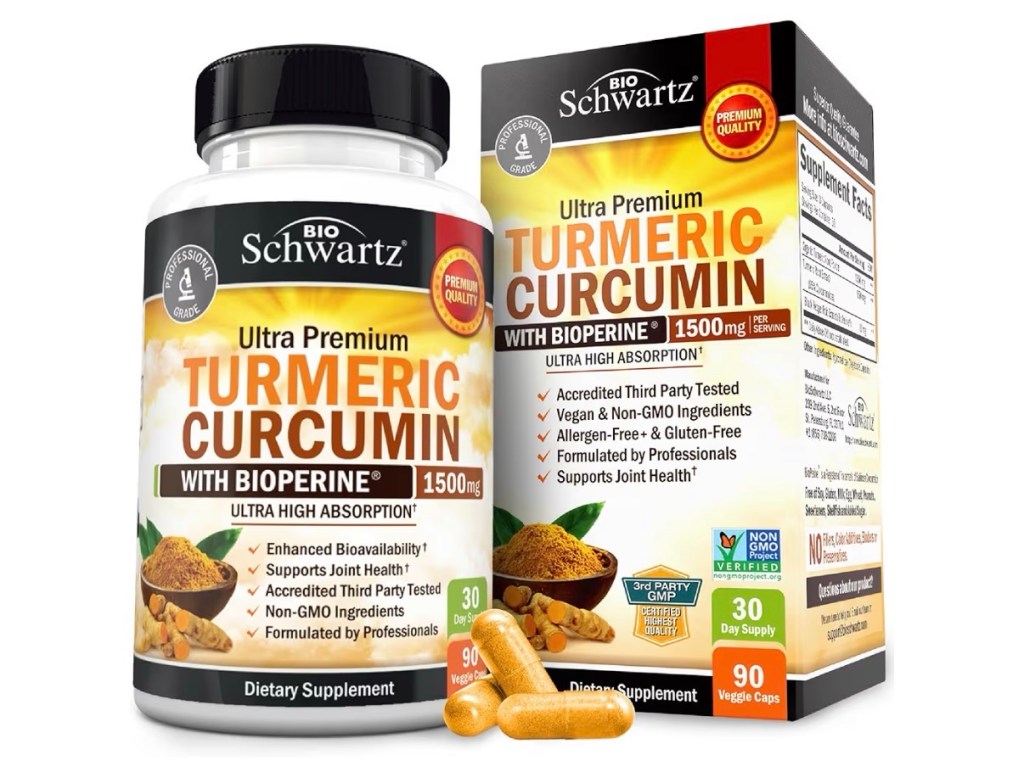
To purchase any of my recommendations, click the pics below for my affiliate links 👇
 lifewithjennilee.com
Leave a comment